These cards are born from encounters with non-traditional parents and families, and they gather insights and reflections emerging from the lived experience of parenting.
They are designed both for parents, to be used individually, and for facilitators working with groups and circles. They can accompany moments of personal exploration or support collective processes, bringing forth stories, intuitions, emotions, and questions.
These cards are the result of a journey of research, listening, and sharing.
This journey began with a question: what kind of support do non-traditional families need? — including single parents, queer families, and blended families. We drew on the approaches and methods of our team: mindfulness, self-compassion and positive psychology, Mindful Compassionate Parenting, the dialogical approach, Mother Nature, Visual Sensing, and Theory U.
We met experts, activists, therapists, and researchers. We tested the insights that emerged by facilitating sharing circles with parents from very different backgrounds, observing how these insights landed in people’s lived experiences.
Each story offered us new perspectives. We went beyond spoken words, opening into an intuitive and emotional dimension supported by visual sensing, which accompanied each encounter by letting colors, bodies, gestures, and intuition speak. It was a journey into non-binarity and multi-perspectivity.
Eventually, the initial question turned itself around: what new insights can the perspectives of non-traditional parents bring to the parenting journey as a whole?
We have woven our journey into these 43 cards, and we now place them in your hands.
These cards work with you. You can think of them as doors that open the way to memories, emotions, intuitions, questions, and tensions that are alive within you.
You can use them on your own: choose a card, let it settle within you, and then—if you can—journal. These cards work well through dialogue, including dialogue with yourself. Dialogue helps to unravel ideas and sensations as they emerge.
You can use the cards in a group, in a circle: each person can choose one card as a way to enter a space of listening, where everyone shares the stories and thoughts the card has brought to the surface. It is important to offer welcoming, uninterrupted listening (you can explore more about facilitating talking circles here).
Before choosing a card,
Then open your eyes, if they are closed, and allow yourself to be chosen by a card: the one that emerges from the deck, the one you like the most, or the one that repels you, annoys you, or captures your attention. There is often important information there.
Click or touch the card to enlarge it and pause again. Let the image speak to your intuitive part.
Scroll down the page: you will find the card’s title and an invitation. Further below, a text that weaves together an intuitive and experiential dimension with a more rational and theoretical reflection, grounded in the approaches that have accompanied this journey. Sometimes you will also find a practice—if you wish—to deepen what this card means for you, in this moment.
Some cards also include a story collected during a circle that inspired the card, or additional resources for further exploration.
These cards are born in contexts shaped by differences in stories, identities, languages, and backgrounds. For this reason, when they are used in groups, they ask for particular care in the quality of the space that is created.
Facilitating diversity does not mean neutralizing differences or pretending we are all the same; rather, it means creating the conditions for each person to feel safe being present as they are.
As a facilitator, the tone of the space is largely in your hands.
The biggest energy in the room shapes the field: what kind of presence are you bringing? Do you feel safe yourself, within the diversity that emerges?
Begin by taking care of yourself—your energy and your grounding.
And if you do not feel safe, there can be space to say so out loud, with care. Opening a space where disorientation, uncertainty, and not-knowing can be named is a concrete gesture that also allows others to share their own experience as well.
Some simple practices can help sustain this space:
It can also be helpful to name that some of what is shared may generate discomfort, irritation, or anger: we come from different stories and different backgrounds. Allow yourself to be touched by discomfort, irritation, or anger, but do not let them take control. And, if you wish, share them with care.
The illustrations on these cards are the result of an intuitive, somatic, and generative process guided by the Visual Sensing® method.
During each circle, Anna Maggi painted live using this method, listening with her whole body to what emerged from the group. In this way, emotions, tensions, connections, and silences took shape and color in real time, capturing the emotional landscape of the session on paper.
At the end of each session, participants were invited to stand in front of the newly created image and let themselves be guided by the questions:
Often, the image allowed them to recognize something they had felt but could not yet put into words. The image opened another door, less rational and more instinctive, where understanding occurs first and foremost through the body.
These paintings became the visual memory of the circles.
Together with the UP team, some portions of the works were then associated with the themes that emerged, transforming them into illustrations for the cards.
The images you find here are fragments of those real moments: traces of shared stories, condensed into signs and colors.
An emotional bridge connecting those who were present at the meetings and those who use the cards.

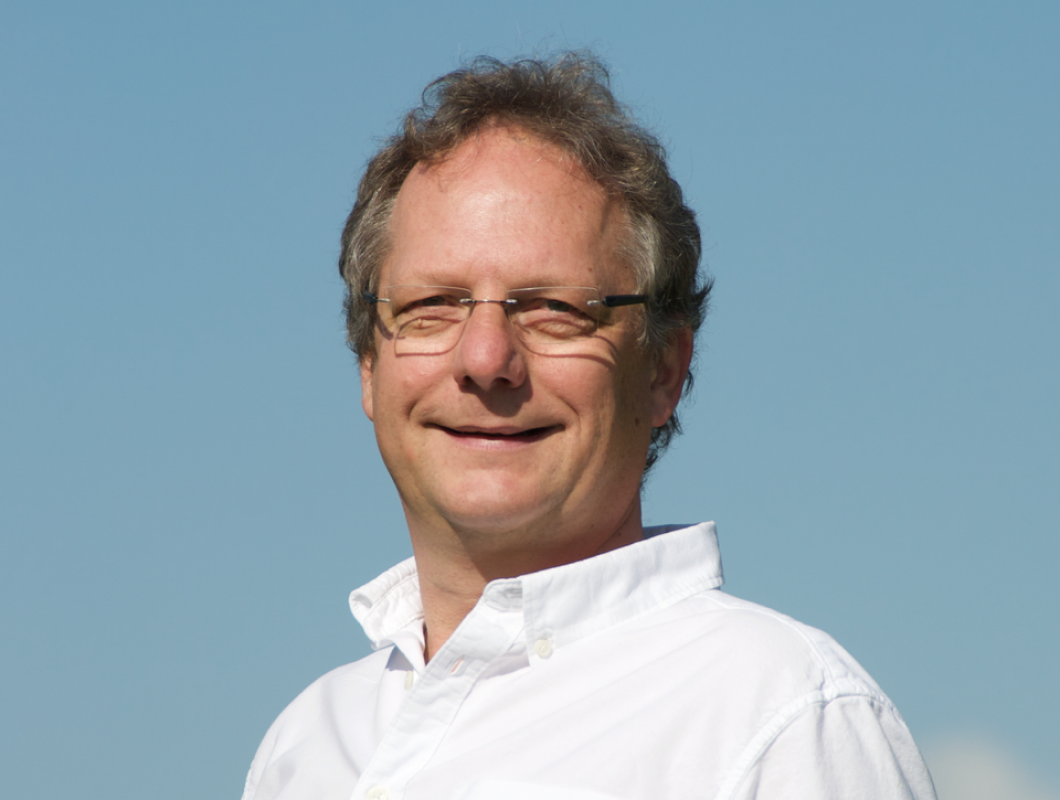
Jörg is a German psychiatrist and psychotherapist, family therapist, mindfulness teacher (MSC, MBSR, MBCT, MBCL, PNT, author of MCP Mindful Compassionate Parenting and MPL Mindful Positive Living, 33 years married and father of four.
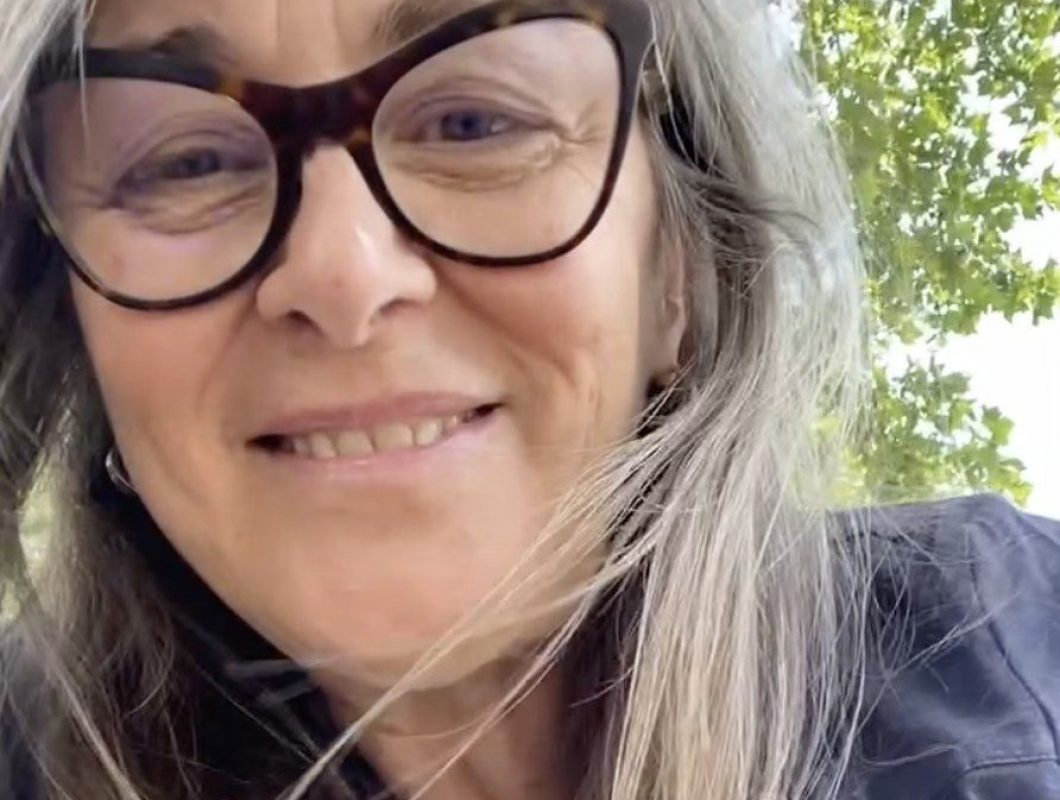
Paola is an Italian coach and trainer based in Vienna (Austria), mother of 2 young men. With a background in sociology and youth work, Paola combines Mindfulness and self-compassion based approaches with embodiment. Paola is active at world-level, involved in project to support parents, leadership and emotional resilience.

Sara is an Italian facilitator, researcher, yoga teacher, and mother of two. She co-founded Casa del Cuculo, a community-based organization and rural co-living place, and Mother Nature, an international project that creates peer-support spaces for mothers and parents through self-discovery, connection with nature, and talking circles.
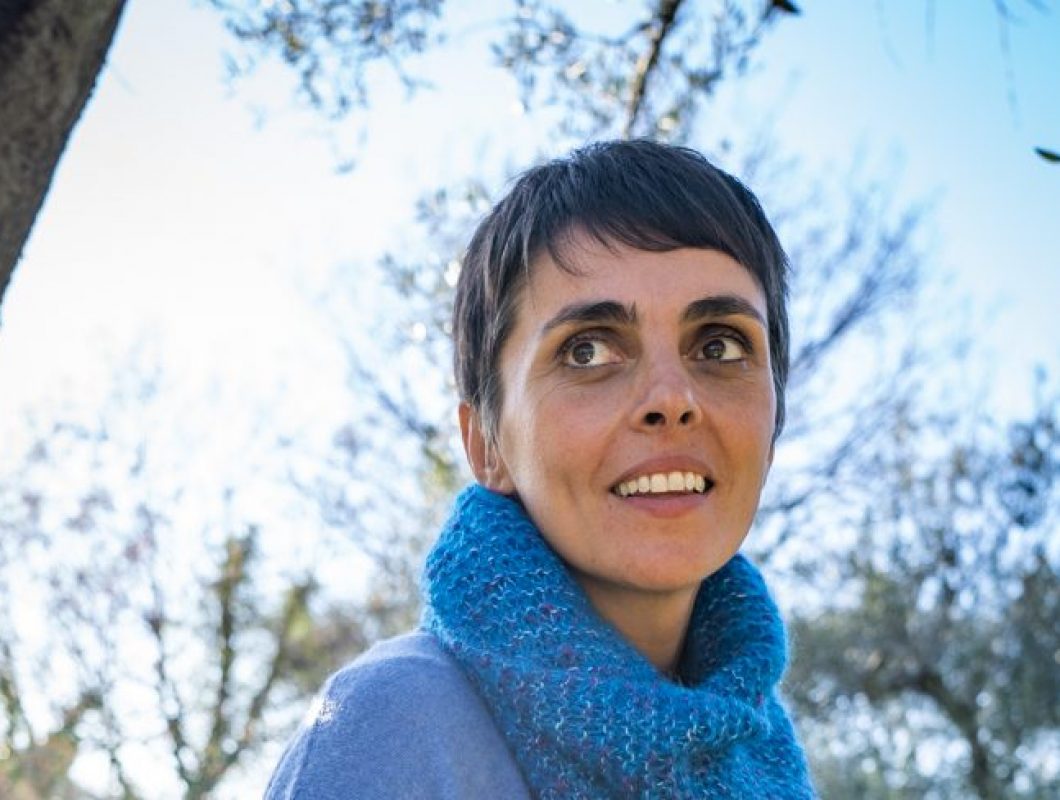
Valentina is a facilitator who designs and implements non-formal education projects for children, young people, and adults, with a particular focus on environmental, social, and personal growth topics. She is Italian and lives at the foot of Mount Amiata, in Tuscany. She is the mother of two children, and motherhood has opened for her a space of inquiry into the complexity of being a mother. From this exploration, the project Mother Nature was born.
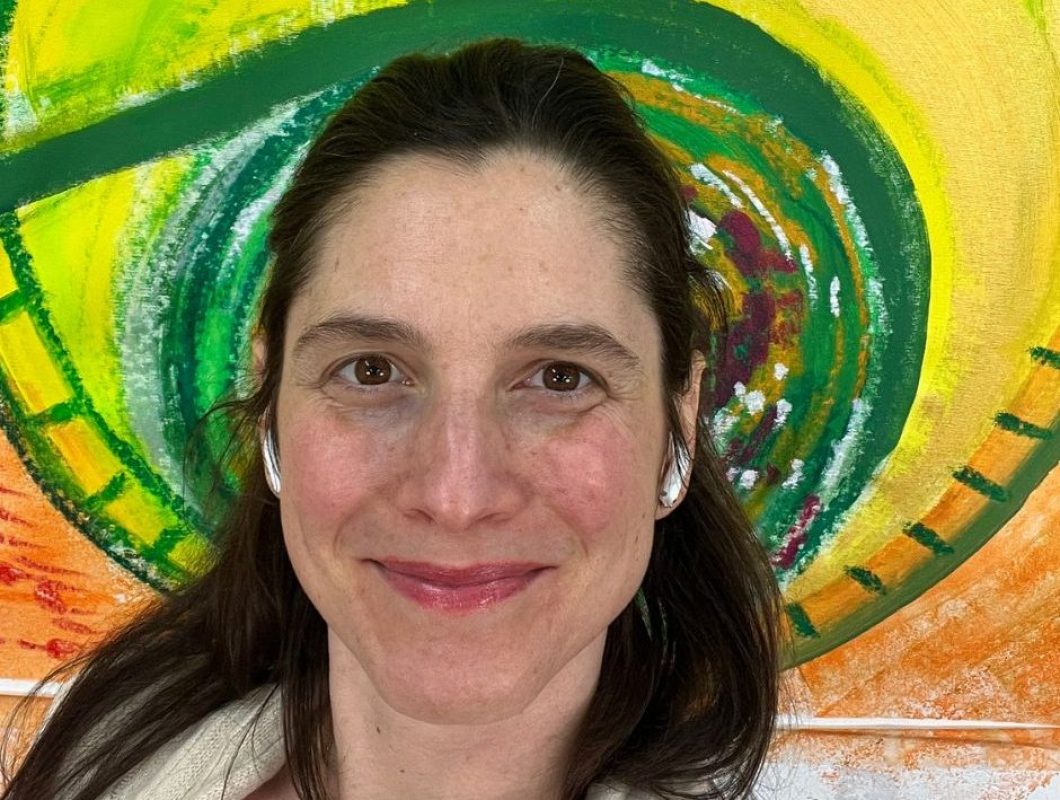
Anna is an Italian artist and designer based in Hamburg, and mother of twins. With a background in painting, communication design, and holistic practices, she explores the connection between art, body, and intuition through Visual Sensing®, a somatic painting practice transforming emotions into live abstract artwork. She collaborates across Europe in artistic, educational, and personal growth contexts.